
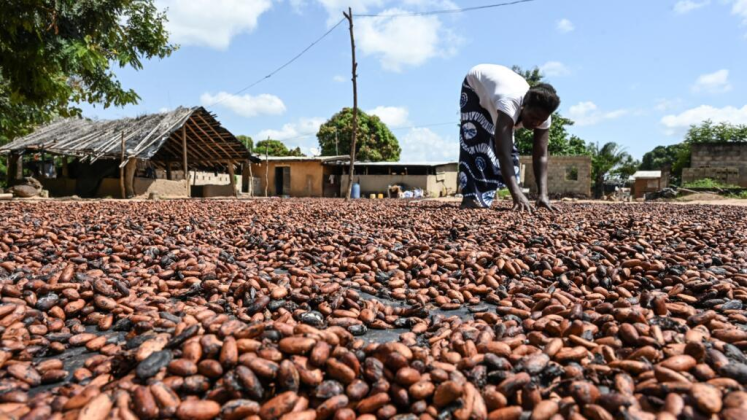
Global cocoa prices rose sharply in 2024 and early 2025 for many connected reasons. Demand for chocolate continued to increase, but cocoa supply chains faced serious problems, including worker shortages and high transportation costs. A disease outbreak and a poor growing season in many parts of West Africa made the situation even worse.
According to the Wells Fargo Agri Food Institute, global cocoa prices reached more than $13,000 per metric ton in December 2024. Although prices dropped in the first half of 2025, they still stayed far above normal levels, averaging around $7,000 per metric ton in mid-July before settling at around $5,300 today.
Ghana and Côte d’Ivoire—two of the world’s top cocoa suppliers—are expected to benefit from the renewed demand from the United States for cocoa beans and cocoa products. The U.S. decision to remove certain tariffs has reduced cost barriers, helping to stabilize the supply chain and improve global market access.
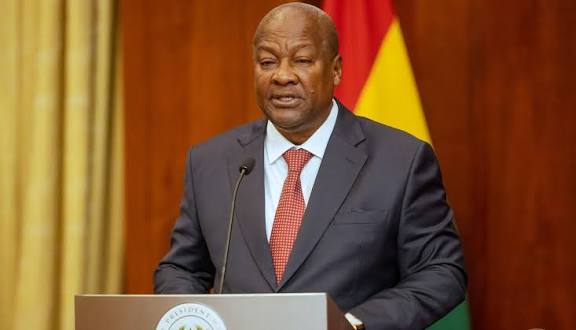
Samuel Okudzeto Ablakwa described the move as a major boost to Ghana’s export sector. He stated that Ghana welcomes this positive development from the United States, the world’s largest importer of chocolate and cocoa products. He added that both countries will continue to strengthen their partnership for mutual benefit.
The Food Industry Association, which represents producers, retailers, and other related businesses, praised President Trump’s decision to provide quick tariff relief. The association explained that U.S. import taxes have been contributing to rising food prices, and reducing tariffs is an important step in lowering inflation.
According to the association, President Trump’s proclamation to reduce tariffs on a large volume of food imports is crucial for ensuring steady supplies at prices consumers can afford. Although shoppers may not immediately see lower prices, the removal of tariffs will help reduce cost pressure on everyday food items.
U.S. food producers—from chocolate companies to sauce manufacturers—will now spend less on key ingredients. This could slow down future price increases or help stabilize retail prices. Many of the items on the exemption list are products that the U.S. does not produce in large quantities because they require tropical climates.
The White House fact sheet notes that in less than a year into his second term, President Trump has strengthened America’s international economic position through several major trade achievements. The administration has announced Reciprocal Trade Agreements with Malaysia and Cambodia, and issued joint statements on frameworks for similar agreements with other countries.
The new tariff policies are designed to address both economic and diplomatic goals. They aim to reduce food inflation in the United States while also building stronger trade relationships with major exporting nations. Analysts say the changes give exporters an opportunity to reconnect with U.S. buyers and expand their share of the market.
For Ghana, the removal of tariffs is a major win after months of diplomatic talks. The expected increase in cocoa export revenue could help the government meet its financial targets and provide relief to cocoa farmers who have faced uncertainty due to global price swings and changing trade policies.
This development comes at an important time for Ghana’s cocoa industry, which has been battling rising production costs, aging cocoa trees, and competition from other cocoa-producing countries. Restored tariff-free access to the U.S. market strengthens Ghana’s position as a leading supplier of high-quality cocoa.
About The Author